
Everything yourshrimp needto thrive.
Remineralized substrates, catappa leaves, and breeding nets — built for keepers who test TDS twice a day and lose sleep over bad molts.
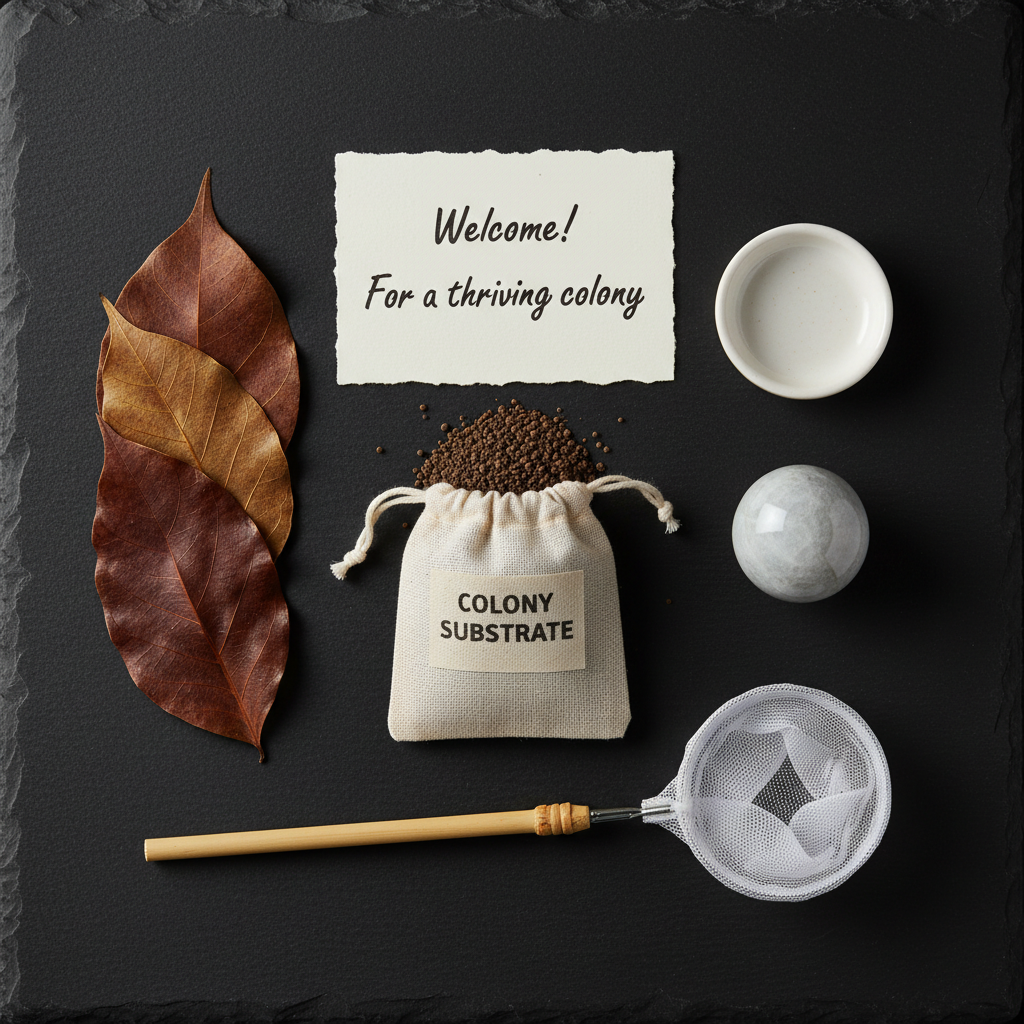
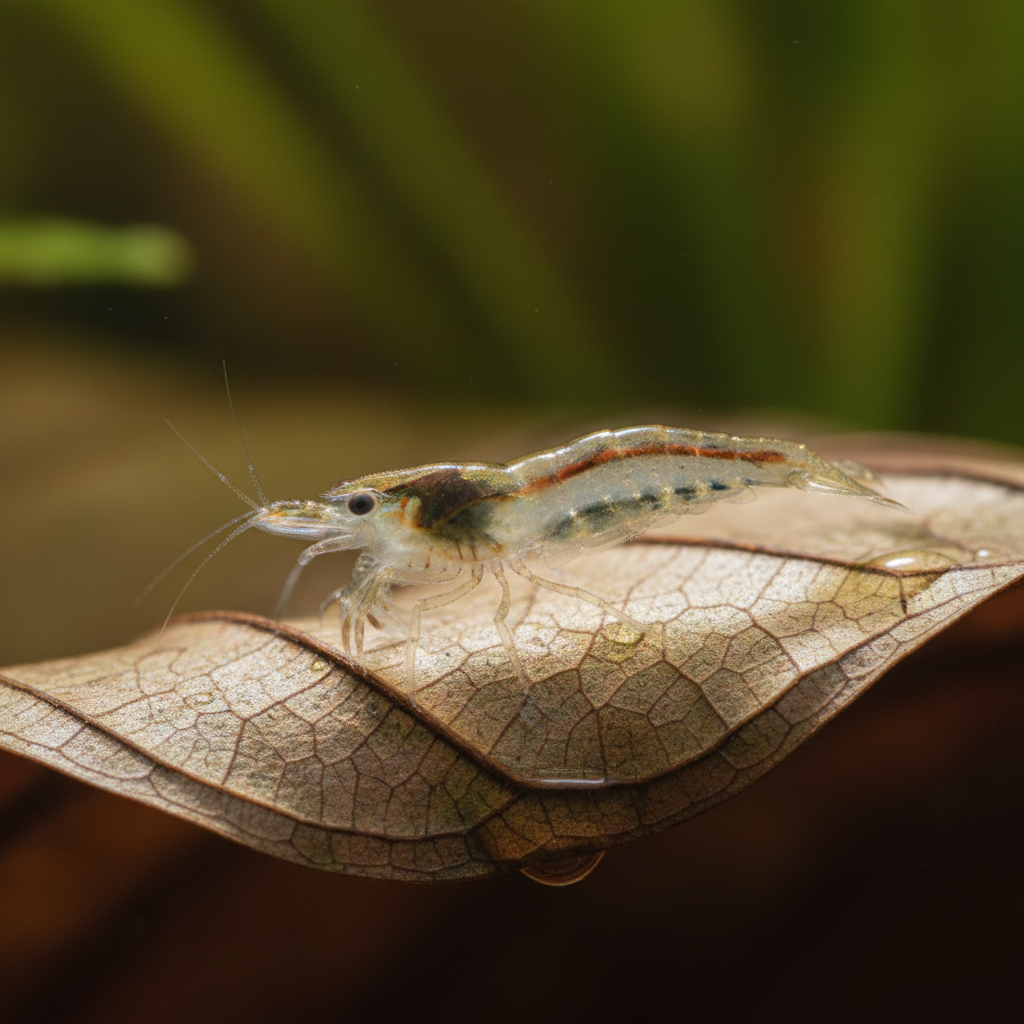
New Colony Starter Kit
Substrate · Leaves · Minerals · Net
free shipping
Collection
Water Chemistry
Parameters are everything. The difference between a thriving colony and a crash is 20 ppm of TDS and a GH reading.

Mineral balance. The thing you can't see is the thing that matters most.
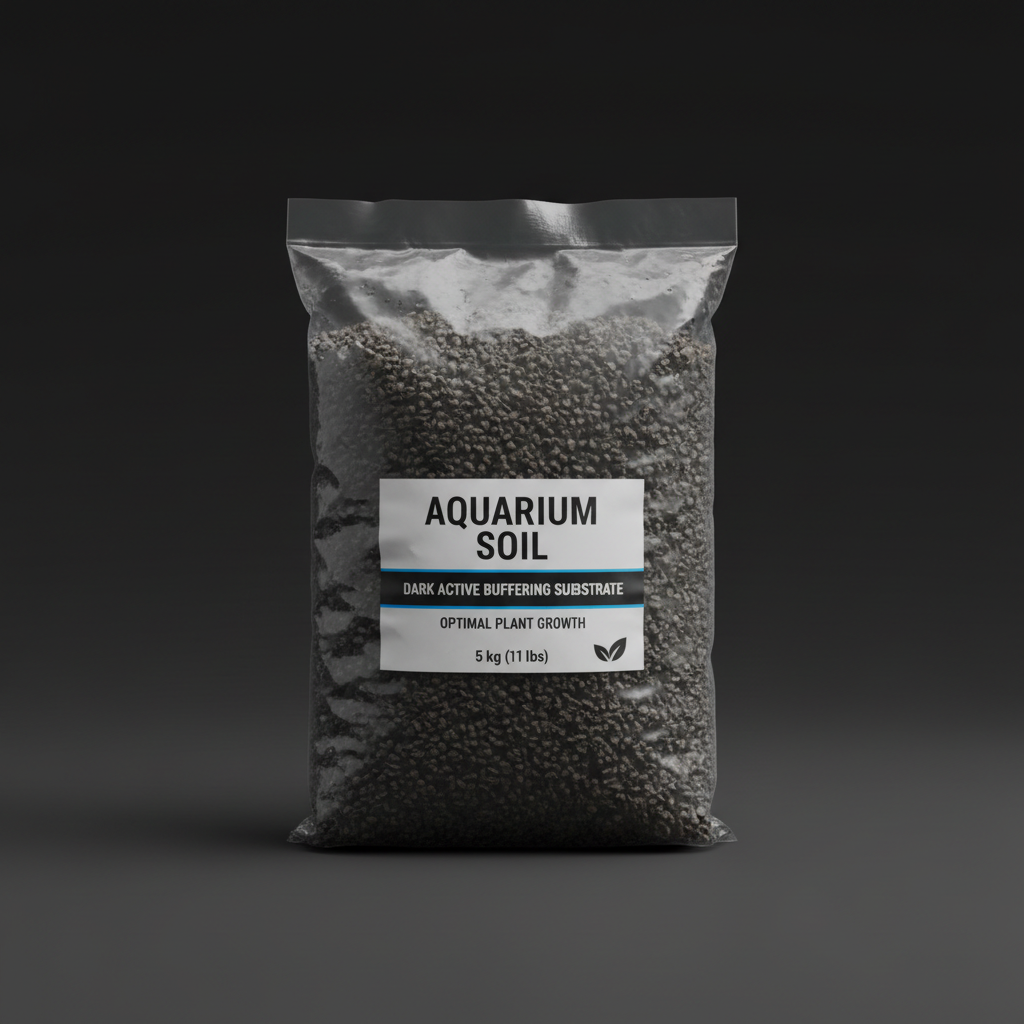
Buffers to pH 6.2–6.5
4–5 cm minimum depth
Caridina, Taiwan Bee, Crystal Red
Substrate
Brightwell Rio Escuro Active Substrate 9L
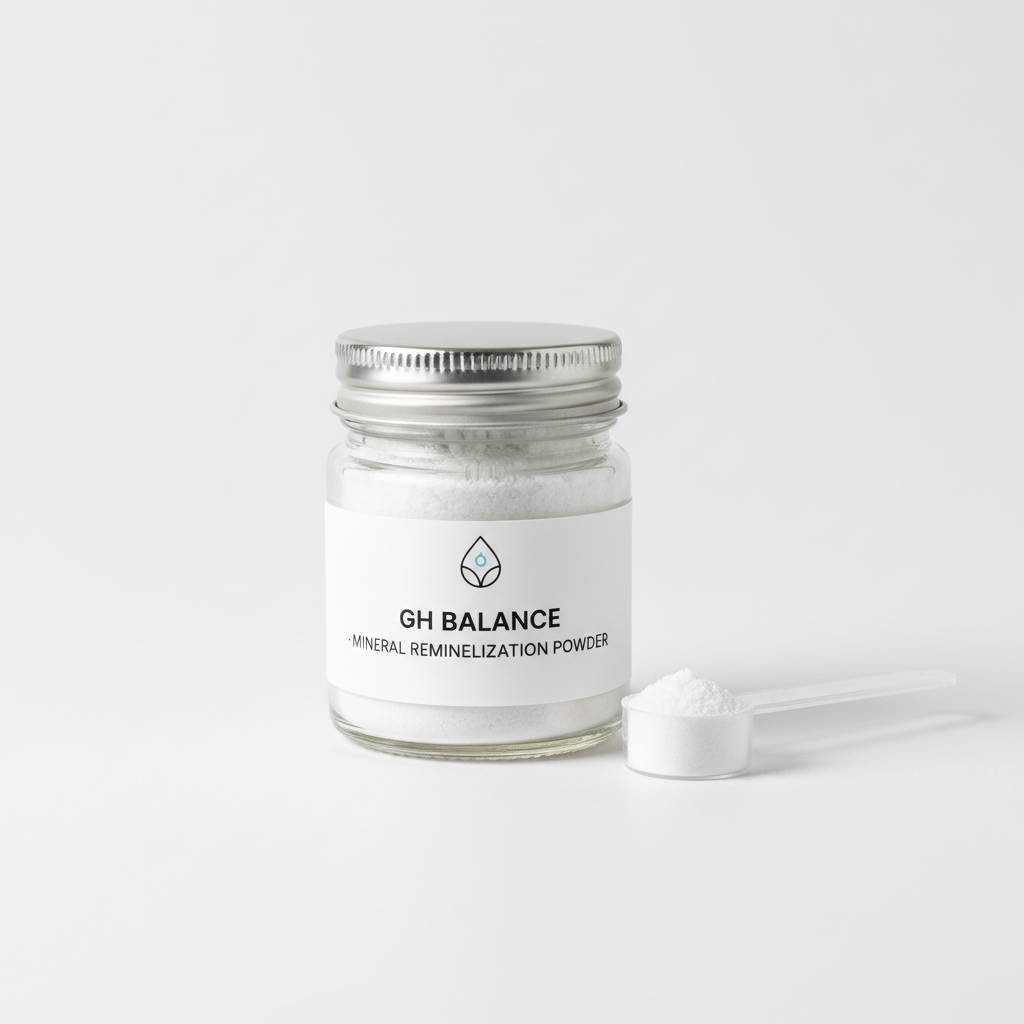
Raises to 130–160 ppm
1g per 20L RO water
Caridina, Neocaridina (GH/KH+ for neo)
Remineralization
SaltyShrimp GH+ Remineralization Powder 200g
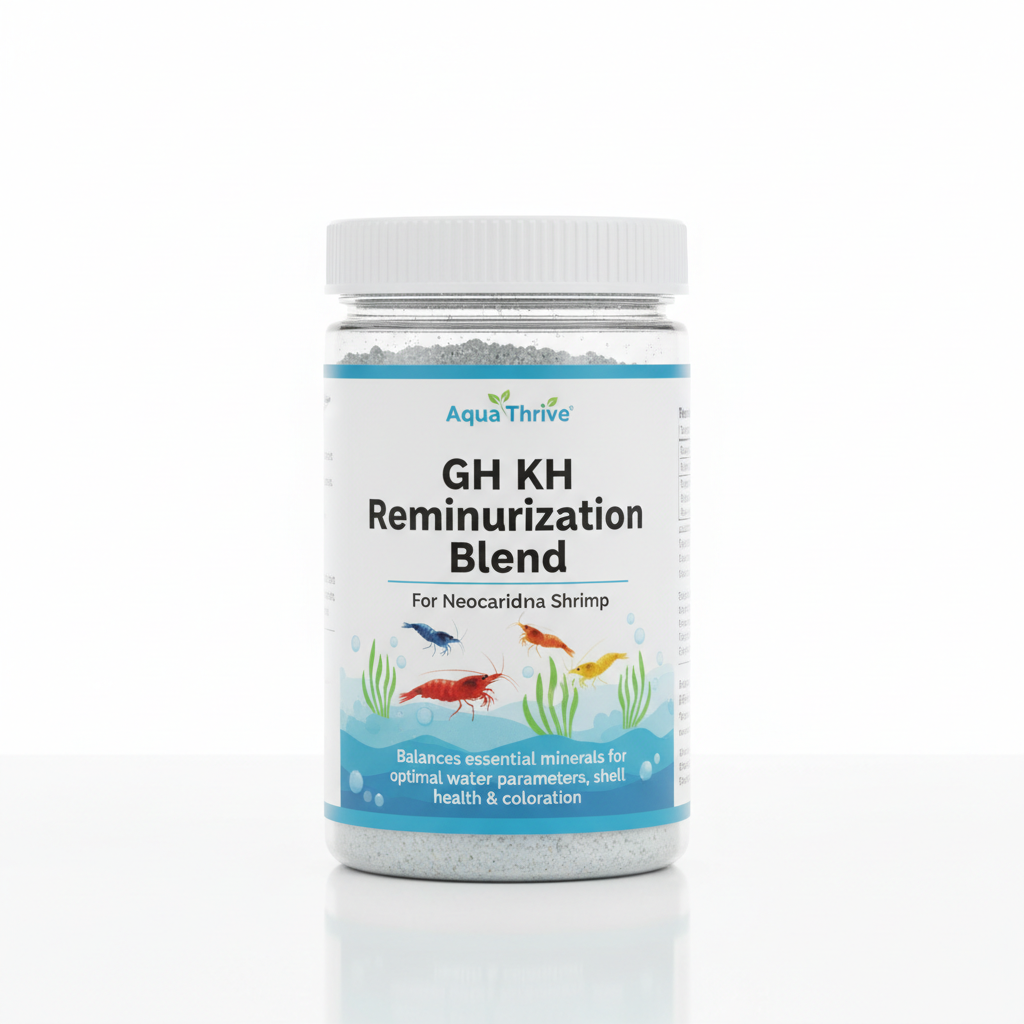
180–250 ppm target
1g per 15L RO water
Neocaridina (cherry, blue velvet, painted fire)
Remineralization
Shrimple GH/KH+ Neocaridina Blend 150g
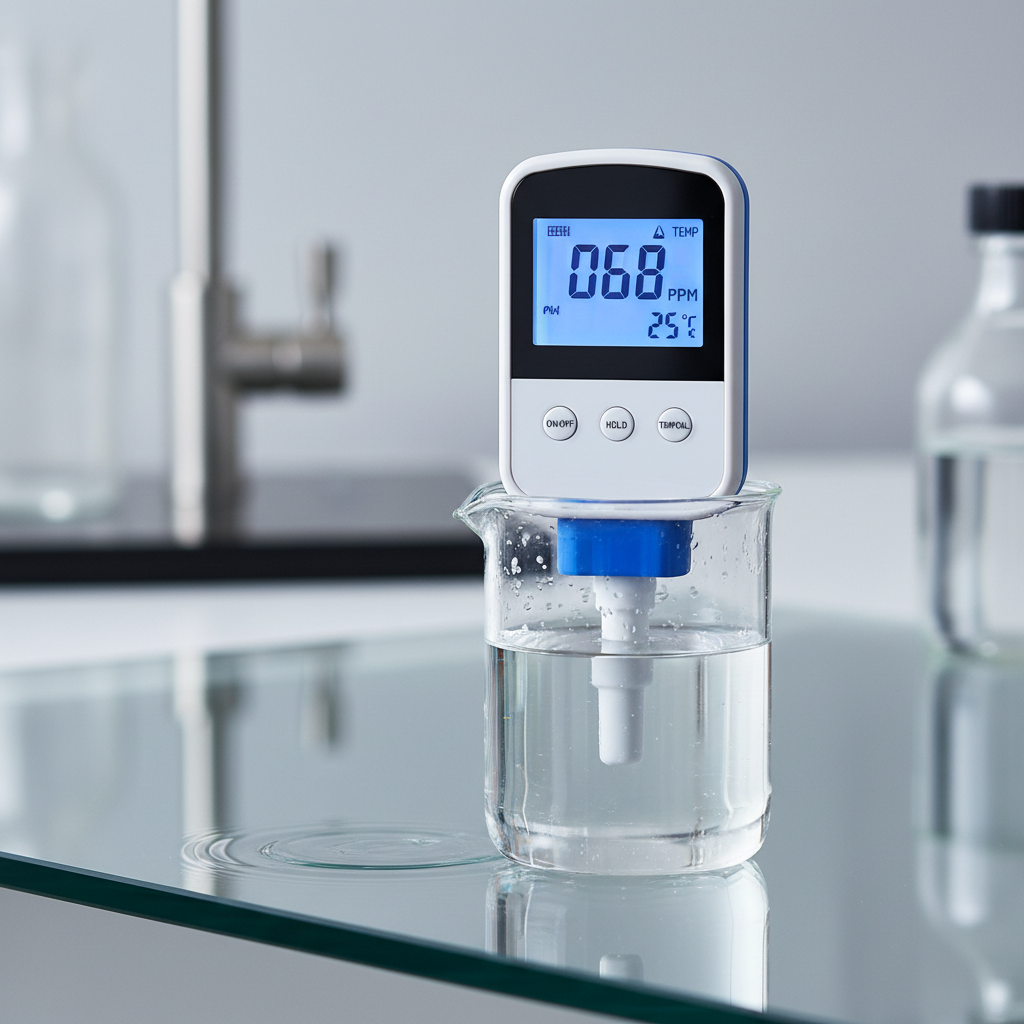
Reads 0–9990 ppm
Calibrate with 342 ppm solution
All species
Testing
Digital TDS/EC Meter — Pocket Size
Collection
Feeding
Shrimp don't need much food. They need the right food — biofilm, botanicals, and the occasional wafer.

A catappa leaf in week two. Every surface is a meal.
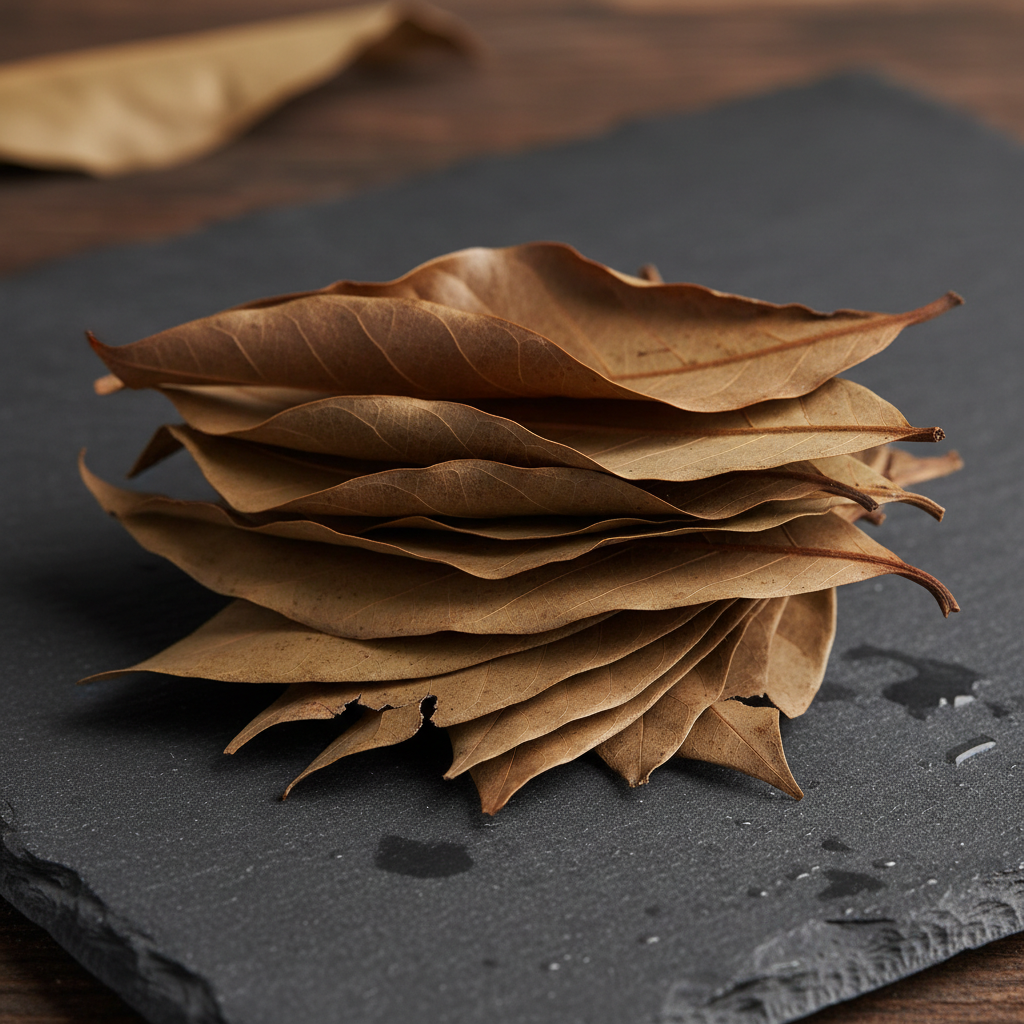
Lowers pH 0.2–0.5
1 leaf per 10 gallons
All species — especially Caridina
Botanicals
Indian Almond (Catappa) Leaves — Pack of 10
pH neutral
2–3 leaves per feeding
All species — shrimplets graze biofilm
Botanicals
Dried Mulberry Leaves — Pack of 20
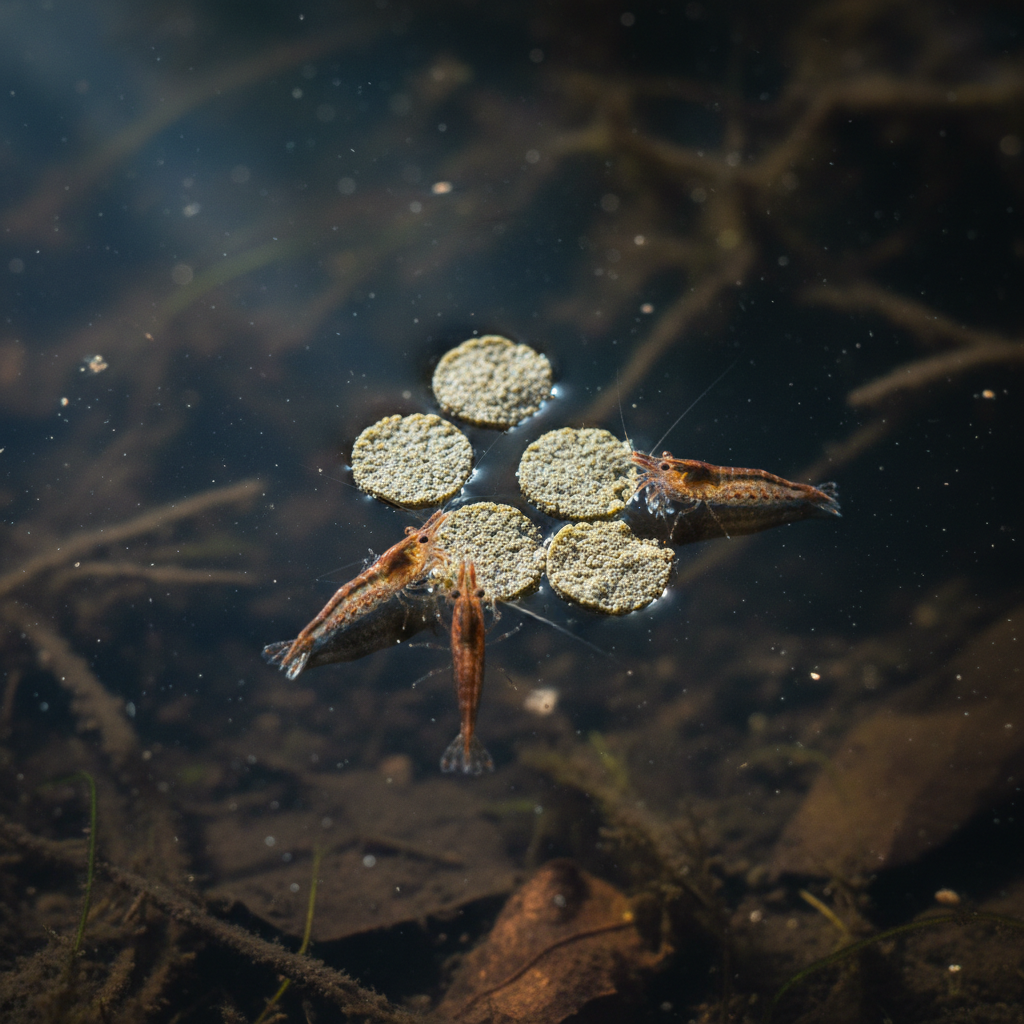
No TDS impact
1 wafer per 20 shrimp, 2–3x weekly
All species, especially shrimplets
Food
Shrimp King Complete Biofilm Wafers 45g
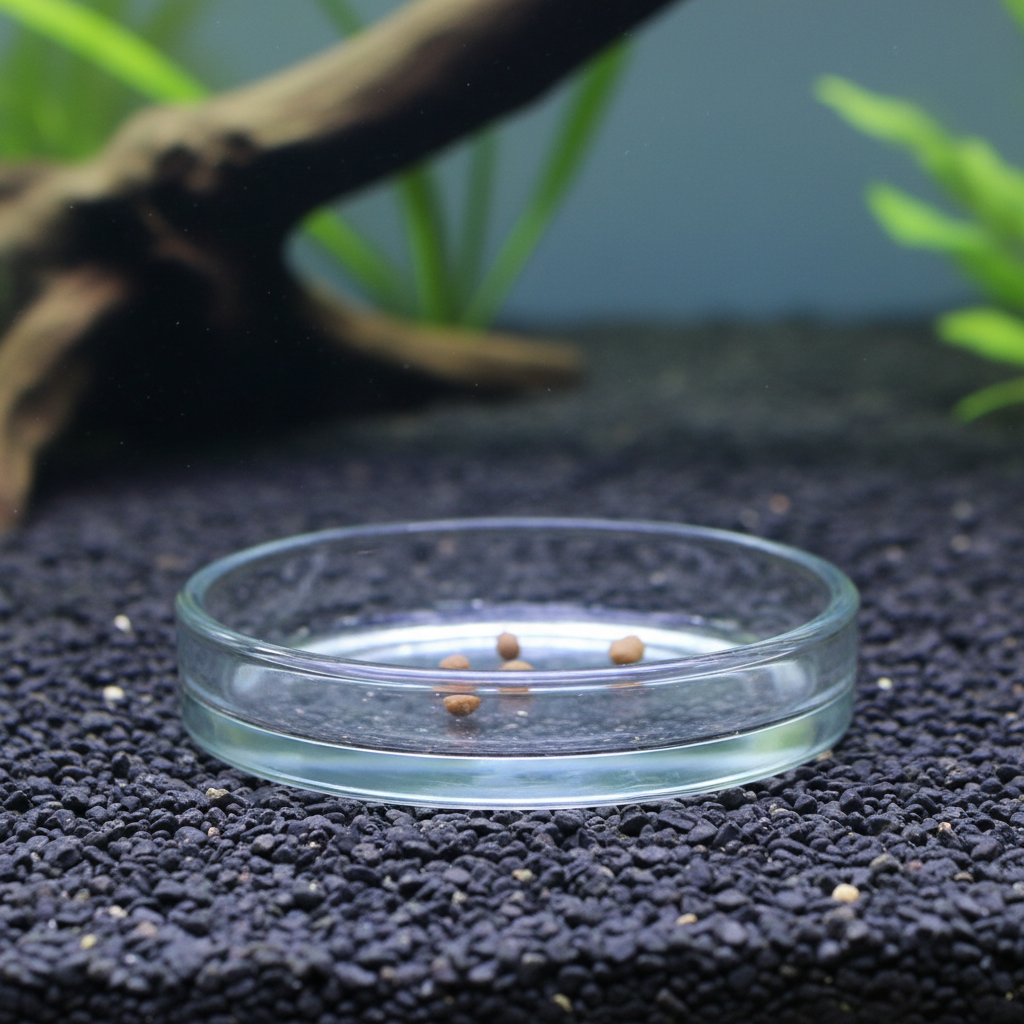
Inert — no water impact
Prevents food scatter
All species
Feeding Hardware
Glass Feeding Dish — 5cm
Collection
Breeding
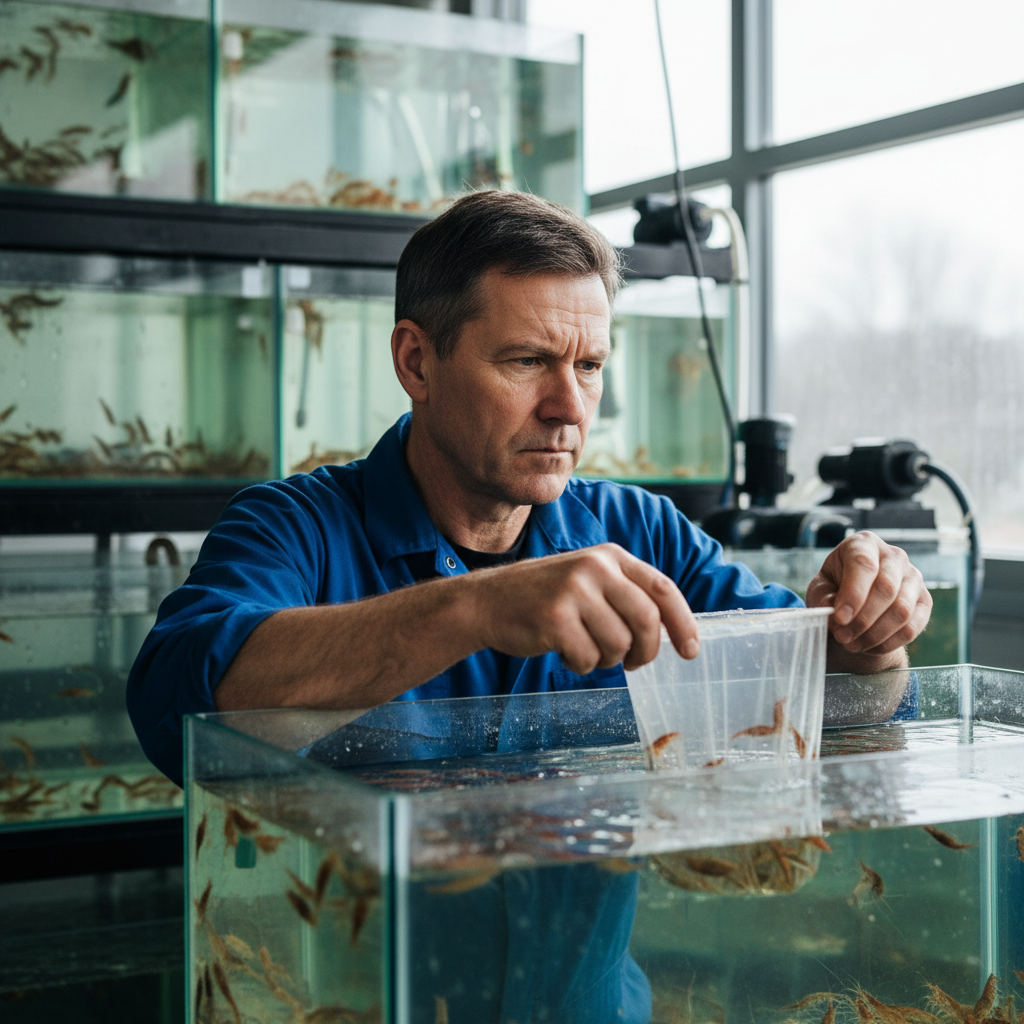
You spotted a berried female. Now you need the right net, the right minerals, and the right filtration to keep every shrimplet alive.

The first 72 hours after hatch. Everything depends on GH.
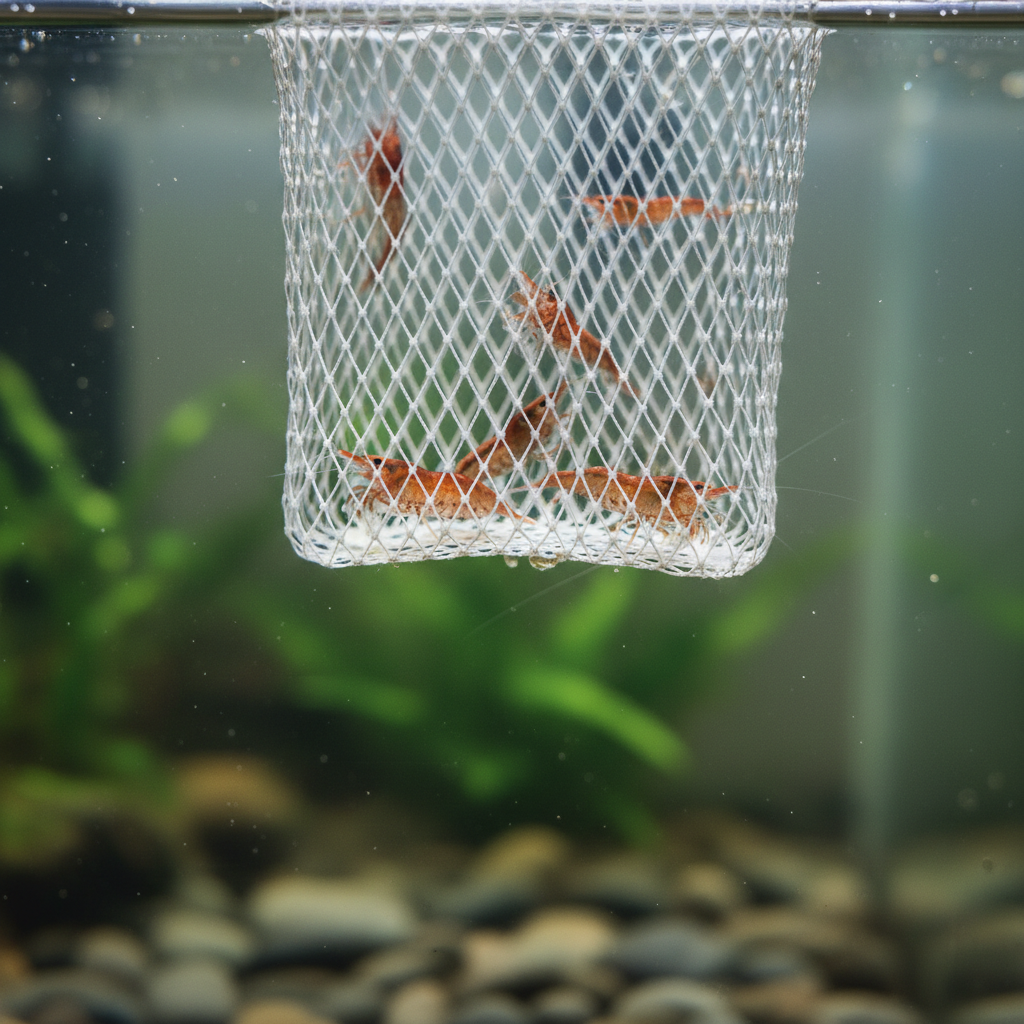
No water impact
Move berried female 2 days pre-hatch
All species — keeps shrimplets safe
Breeding
Fine Mesh Breeding Net — Hang-On
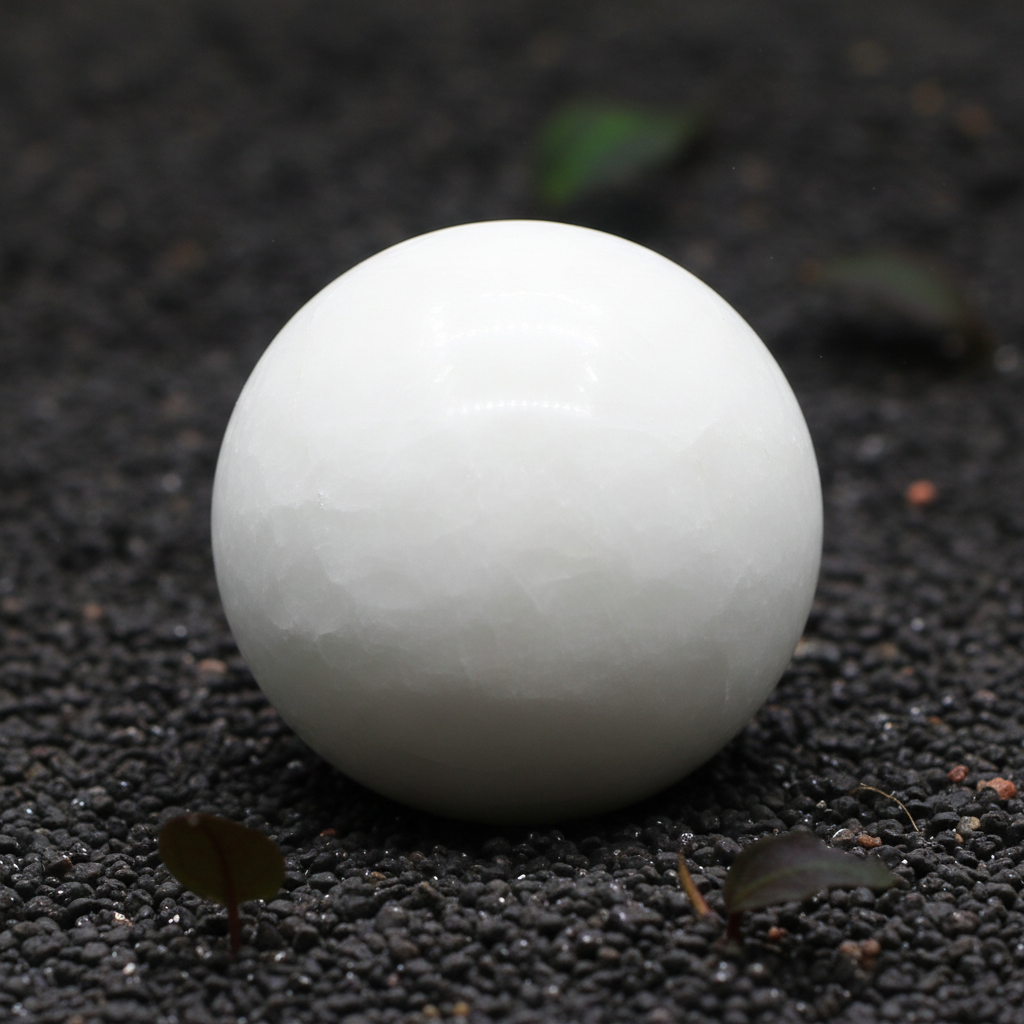
+5–10 ppm GH over 4 weeks
1 ball per 10 gallons
All species — critical for molting
Minerals
Mineral Ball — Calcium & Magnesium Supplement
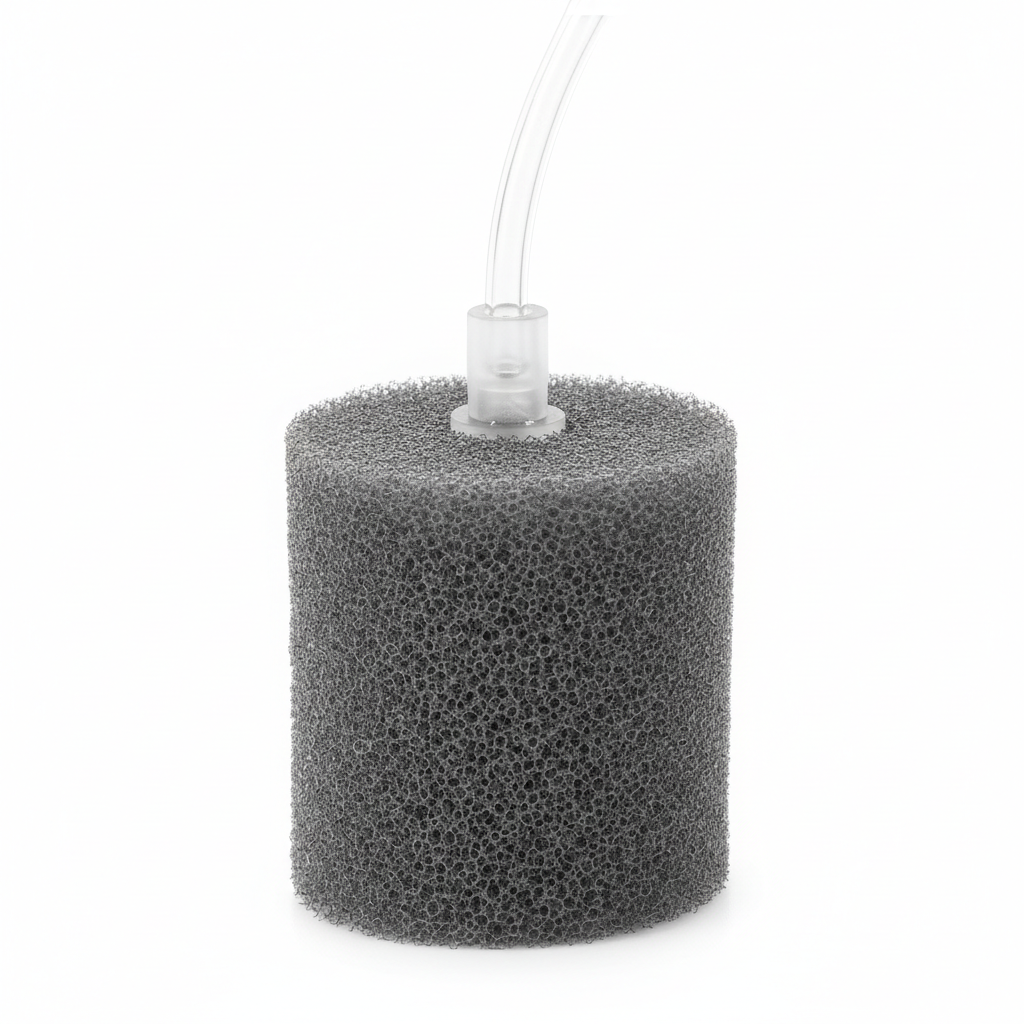
No water impact
Seed with established tank water
All species — shrimplet-safe filtration
Filtration
Sponge Filter — XS (for 5–15 gallon)
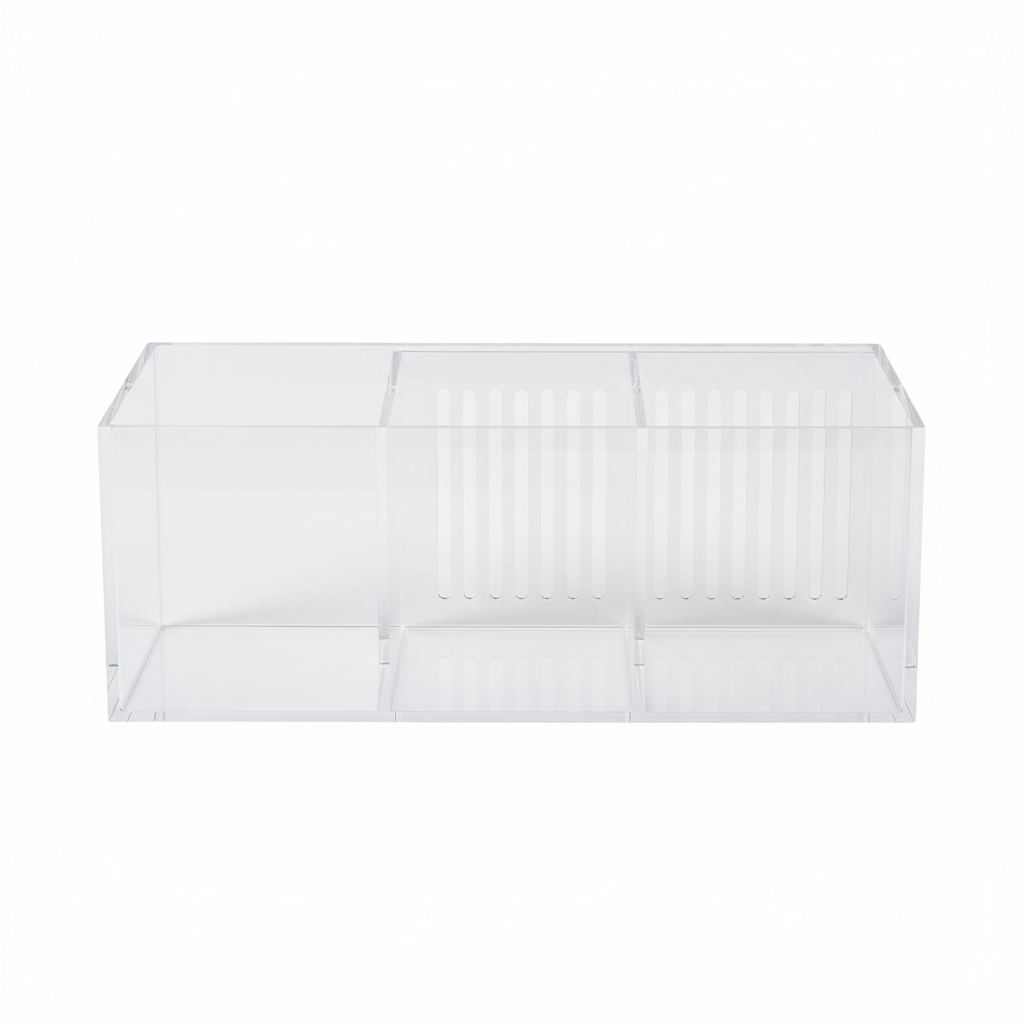
Uses main tank water
Hang inside tank for parameter stability
All species
Breeding
Breeder Box — 3-Chamber Acrylic
Collection
Hardscape
Spider wood, cholla, java moss. The architecture of a colony — where shrimp hide, molt, and graze.

Spider wood at week three. Twelve fire reds, one piece of wood.
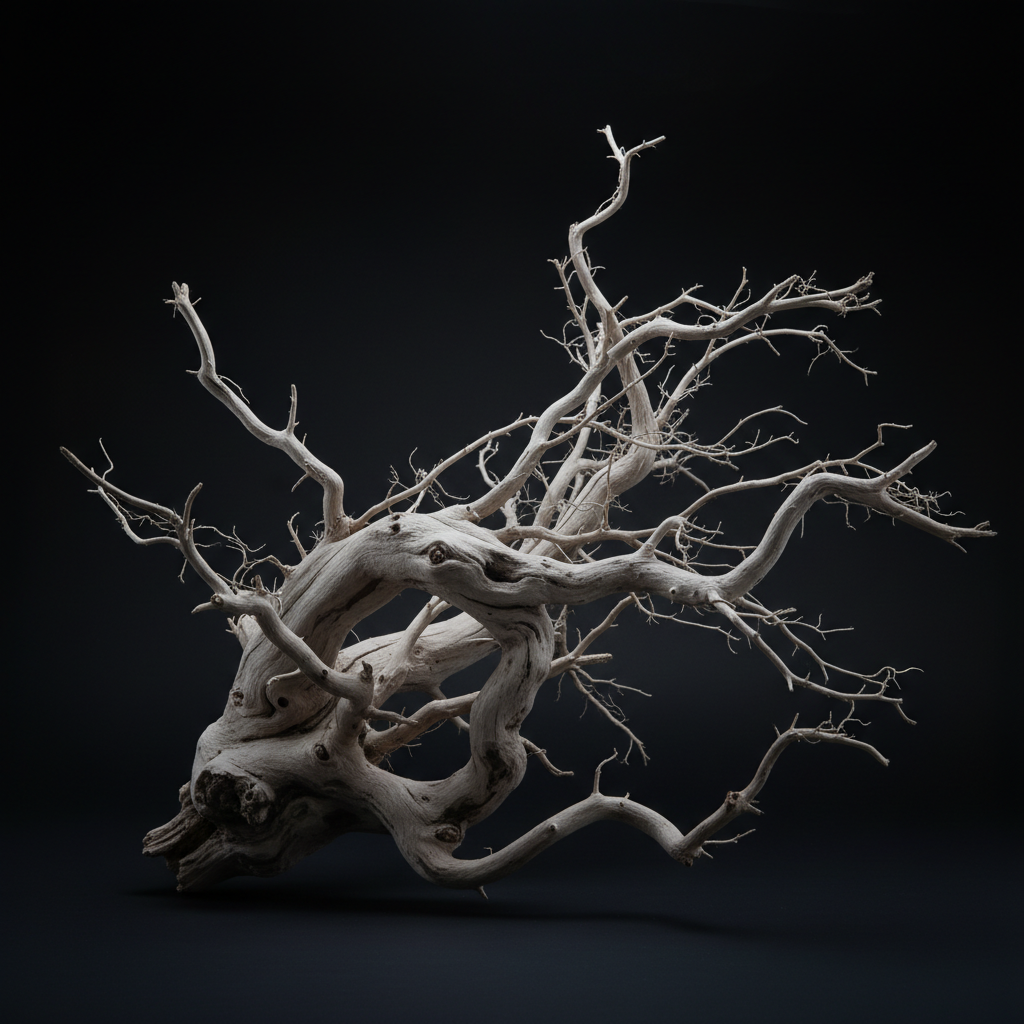
Lowers pH slightly
Soak 2–3 days to sink
All species — shrimp graze biofilm from wood
Hardscape
Spider Wood Branch — Medium (8–12")
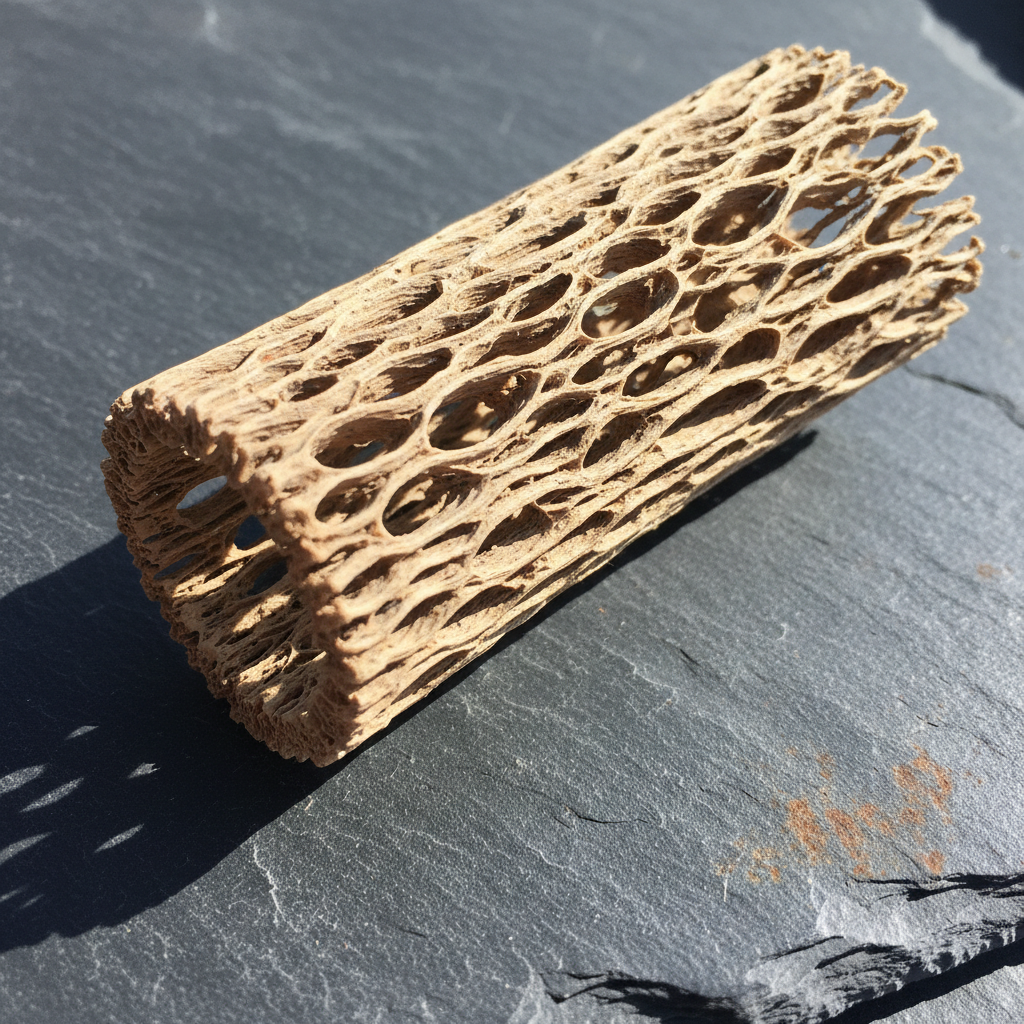
Slight pH reduction
No prep needed — sinks naturally
All species — doubles as hide
Hardscape
Cholla Wood Tube — 4" Section
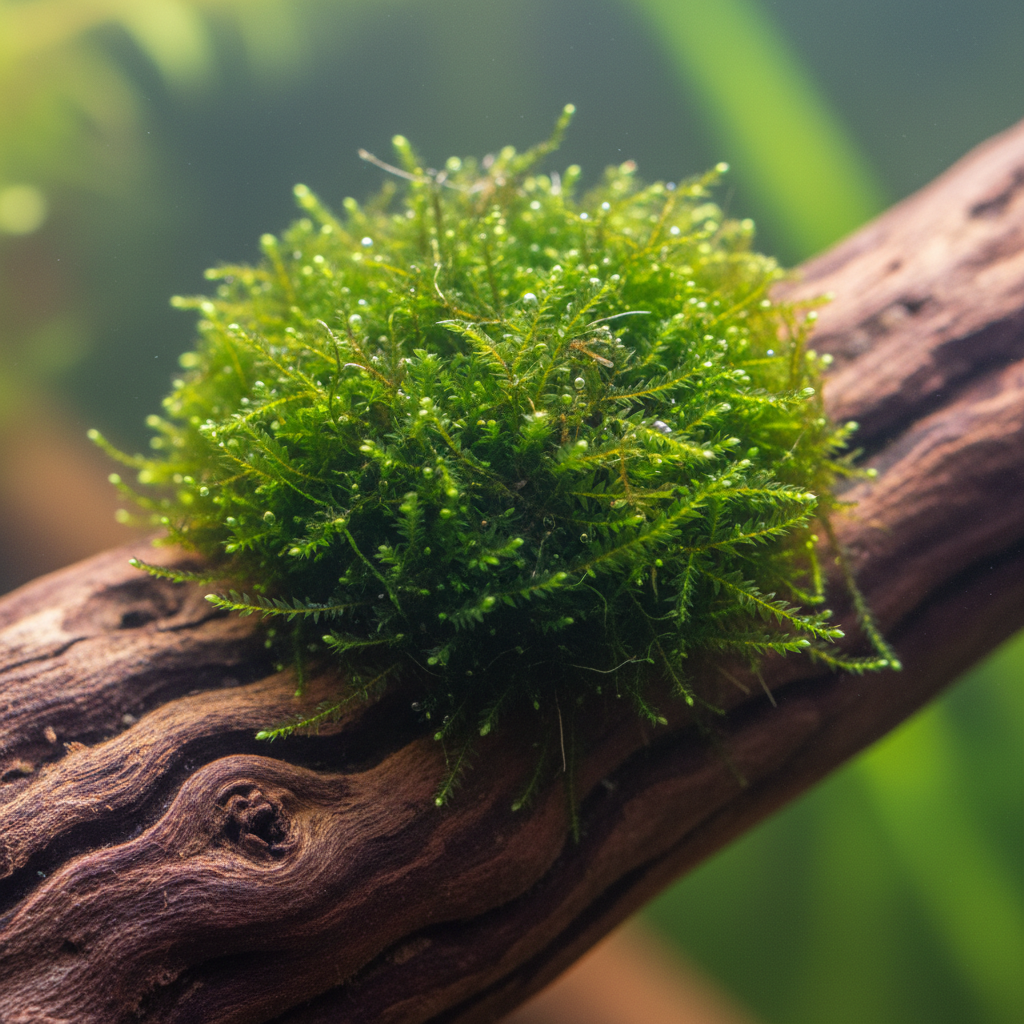
No water impact
Tie to wood or rock with thread
All species — shrimplet refuge
Plants
Java Moss Portion — Golf Ball Size
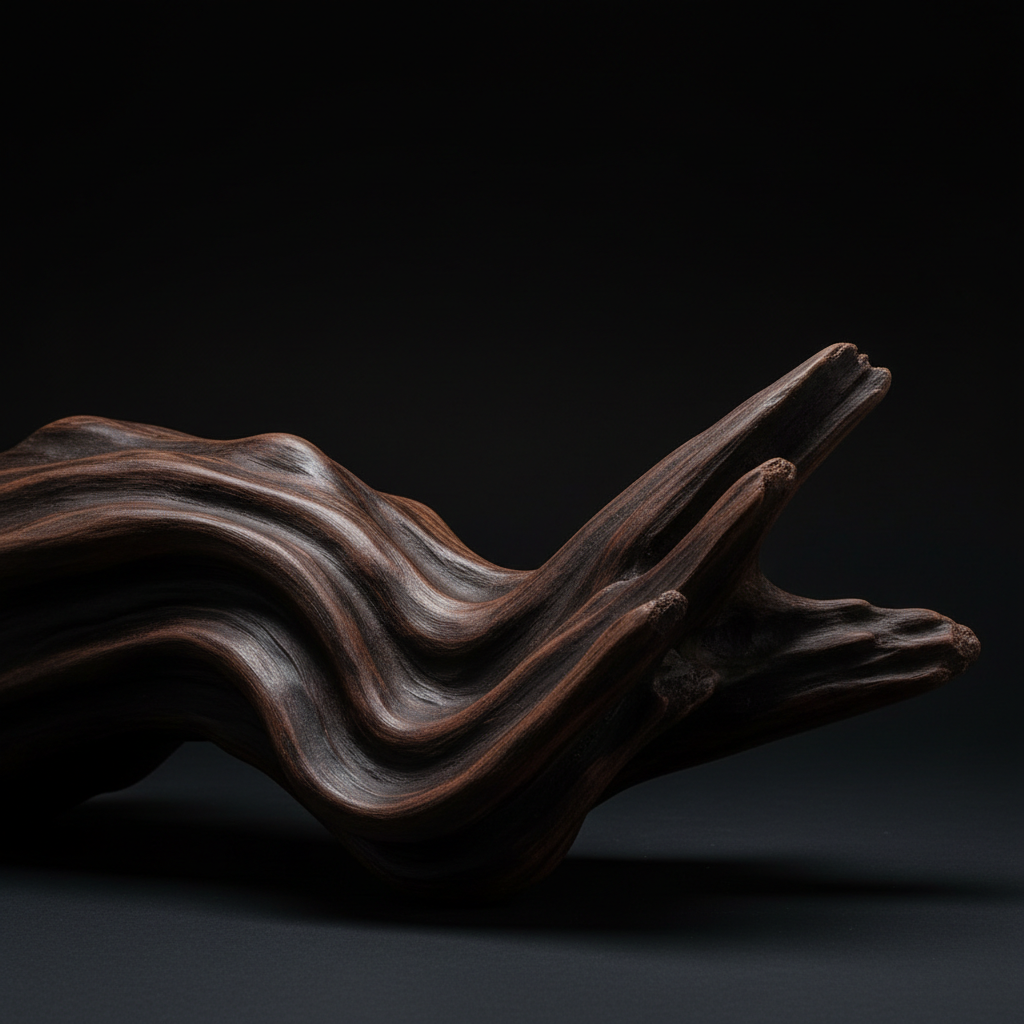
Releases tannins — lowers pH 0.3–0.8
Boil 20 min or soak 1 week
Caridina ideal — avoid for sulawesi
Hardscape
Malaysian Driftwood — Aquarium Grade
From the Community
Keepers who test twice a day.
Not marketing copy. Actual TDS readings from actual tanks.
“Switched to Rio Escuro from Amazonia and my CRS stopped crashing. TDS stabilized at 138 within a week. First berried female in month two.”
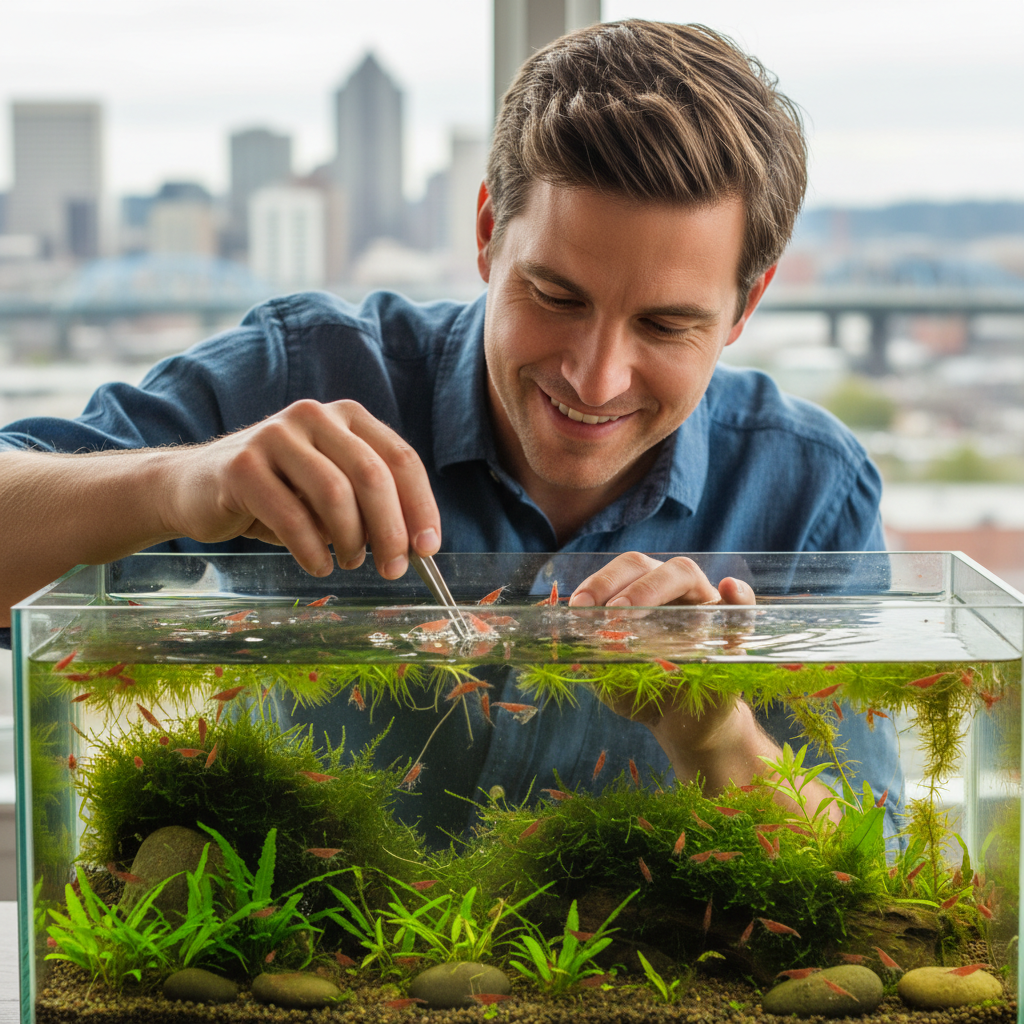
Marcus Delacroix
Portland, OR
“The catappa leaves made a visible difference. My shrimplets started grazing biofilm within 48 hours. Lost zero from the last batch of 30.”
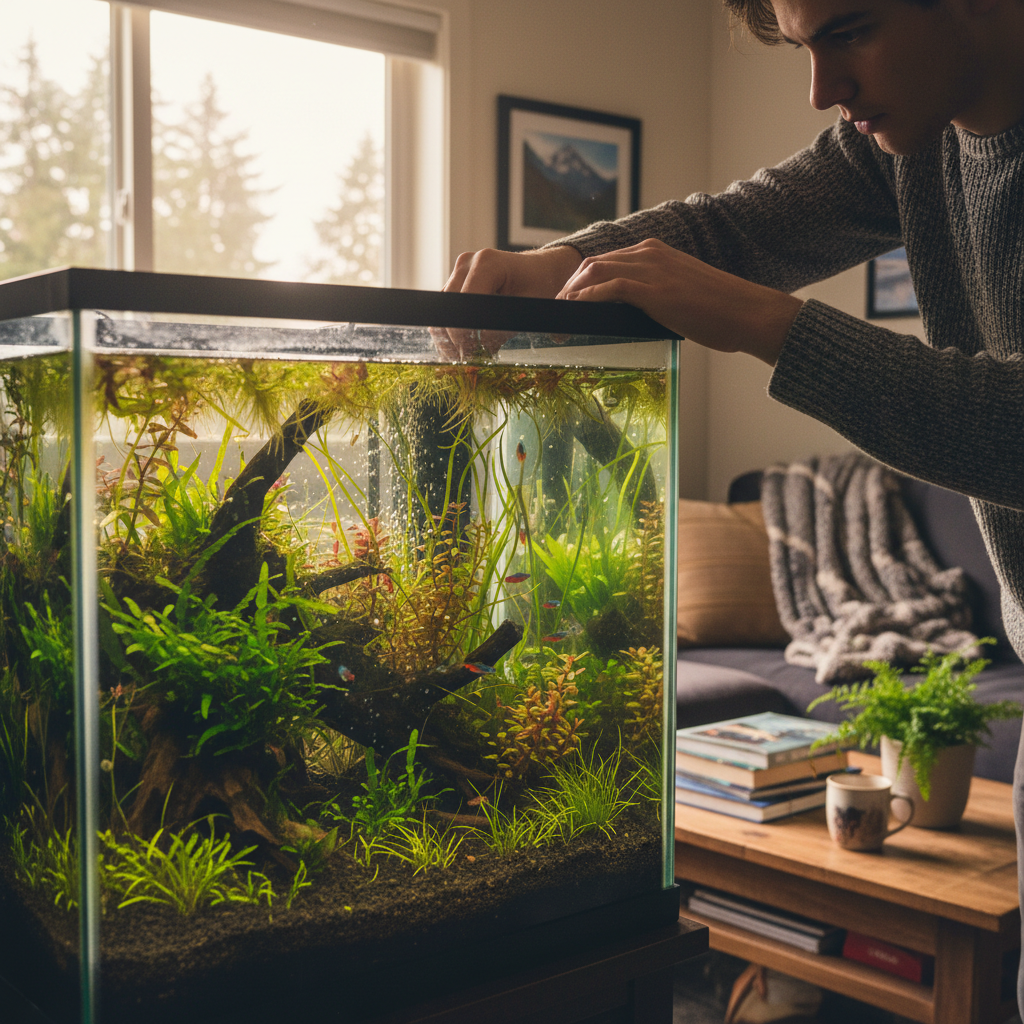
Yuki Tanaka
Seattle, WA
“Used the quiz, got the caridina kit. Parameters matched exactly what my Taiwan Bees needed. Molt rate is the best it's ever been at 5 dGH.”
Darnell Washington
Atlanta, GA
CRS Grade Reference
What grade are you chasing?
Higher grade = more white coverage. SSS is nearly all white. Parameters matter more at every step up.
Stop guessing.
Build your kit.
Tell us your tank, your species, your water source. We’ll tell you exactly what you need — the same way someone who’s also lost a colony to a bad molt would.